on scrambled eggs and others
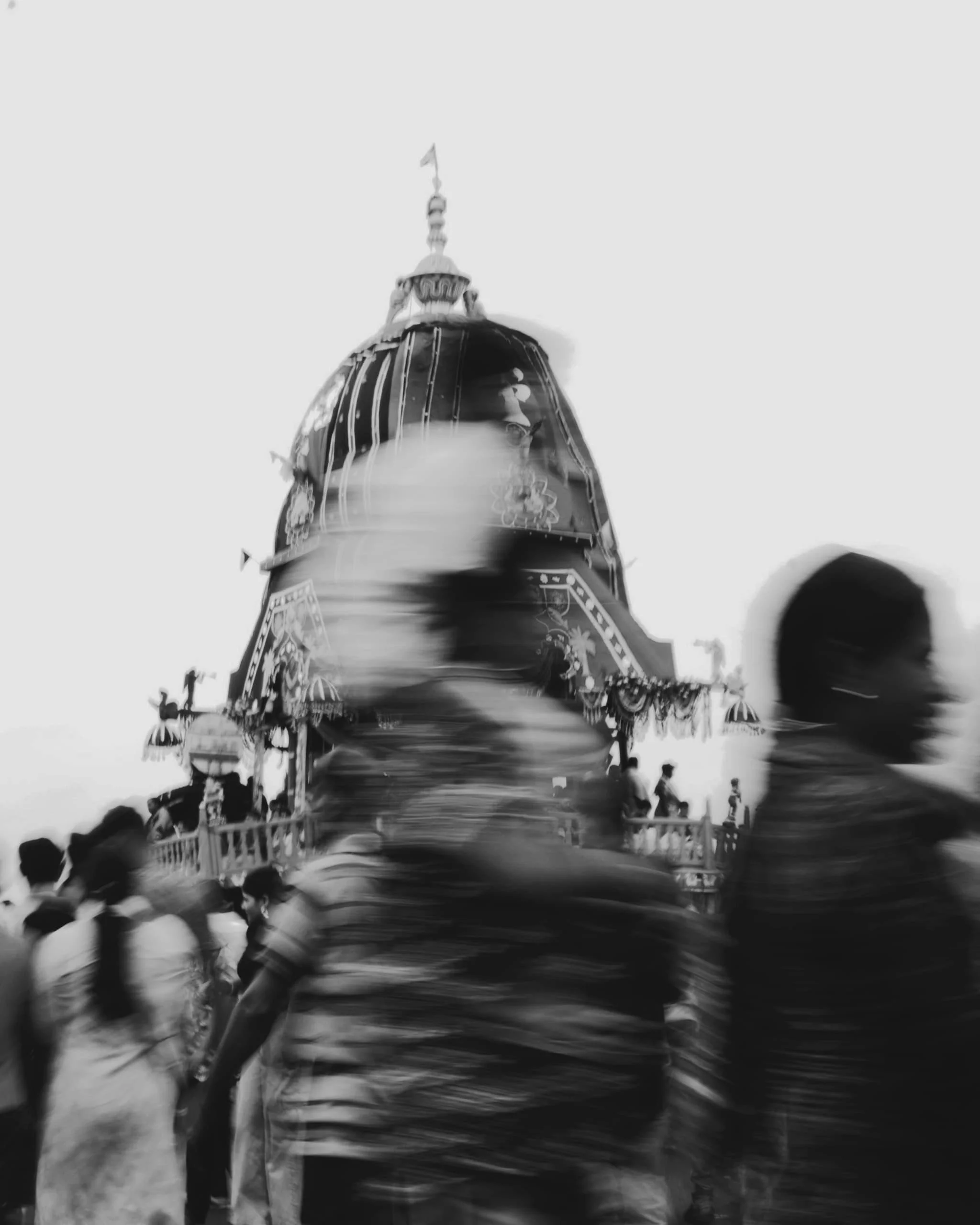
Amélie Baasner’s poems move between private memory and public unrest. Across four languages, she reflects on war, inheritance, urban life and the quiet return of old shadows in contemporary Europe.
Scrambled Eggs
I remember the day I asked my grandmother about the war
it was the day she turned silent
she simply sat at the dinner table
the one she was so proud of
I had cooked dinner for her that evening
the first time any family member had ever been allowed
to cook for her
I remember the day I asked my grandmother about the war
it was the day she looked down at her scrambled eggs
the smoked salmon
and her peppermint tea
it was bad was all she ever said
before her passing
I am glad she cannot see
war in Europe is back.
—
Millet
you are millet with butter
and raisins
to me
warm milk with cookies
real milk, raw milk,
in a naked world
wounds open and exposed
not ready to heal
tasting of gun residue
smelling of slaughter
eyes witnessing the passing of a life-
time
hands collecting pieces
they didn’t break
fixing them up
with gold
—
Berlino
la città è fosca in questi giorni
un freddo che va oltre l’inverno
un buio che può solo diventare notte
mentre ridiamo, mangiamo, facciamo l’amore,
un’ombra s’insinua alle nostre spalle;
un’ombra che pensavamo fosse sparita già anni fa
la vedo negli occhi di alcuni
la leggo sui giornali
la sento di nuovo nelle strade mentre cammino
strade fatte di macerie
macerie del passato che risuonano nei miei passi
l’eco dell’oscurità,
l’eco che di nuovo si sente dentro le nostre società
sono uscita presto quella mattina
cercavo una storia da raccontare, una storia serena,
la storia di un paese cresciuto di età
ma mentre i miei passi mi portavano da Mohrenstraße al parco
tutto quello che sentivo
tutto quello che vedevo
era il silenzio di Berlino e mi chiedevo
dov’è rimasta la coscienza di questa nostra realtà
—
Berlin
the city is grim these days
a cold that exudes more than winter
a darkness that can only become night
while we laugh, eat, make love,
a shadow slips in behind our backs;
a shadow we thought gone years ago
I see it in the eyes of some
read it in the newspapers
sense it pulsing through the alleys
roads strewn with rubble,
a past resounding in my steps,
the echo of terror
once again felt within our societies.
I went out early that morning,
looking for a story to tell, a serene story,
the story of a country that had learned its lessons.
but as my feet carried me from Mohrenstraße to the park,
all I heard,
all I saw,
was the silence of Berlin and I wondered
—
Zeit
auf die Uhr am Bahnsteig kritzelte jemand
die Zahlen zwölf, drei, sechs, neun
um nicht zu vergessen, wie die Uhr sich dreht,
wo wir doch bereits vergessen, was richtig ist
in Zeiten ohne Kompass,
hätte ich auch gerne einen Stift
um auf mein Herz zu kritzeln,
zwölf, drei, sechs, neun.
—
Time
on the platform clock someone had scrawled
the numbers twelve, three, six, nine
so as not to forget how time turns,
when we’ve already forgotten what is right
in days that spin
I too would like a pen
to scribble across my heart,
twelve, three, six, nine.
—
El Rey
he visto al rey
¡viva el rey!
aunque no sé si vive
el rey,
con su corona de plástico y el corazón de cartón
su corte: un perro en una caja de Ikea
¡viva el rey!
¿no es eso lo que debo gritar
ante una masculinidad coronada,
entre leggins y Saint Laurent,
el tram y el metro?
¡viva el rey!
de plástico y cartón.
—
The King
I've seen him
long live the king!
the king
barely alive, half-dead
with his plastic crown and cardboard heart
his court: a dog in an Ikea box
long live the king!
is this the right thing to shout
before a crowned masculinity,
amid leggings and Saint Laurent,
between tram and metro?
long live the king!
the plastic,cardboard king.
—
Straßenlichter
Die Lichter wurden über die Jahre ein Teil meiner selbst, das grelle Gelb und Rot, das Blaulicht der Polizei am Kottbusser Tor, die glimmenden Zigaretten in den Bars. Sie spiegelten sich in meinen Augen und in meiner Seele, jede Zelle meines Körpers sog sie auf, auf der Suche nach Antworten.
Ich war noch ein Kind, als ich nach Berlin kam, die Stadt so groß, dass ihr Leuchten auf mich wirkte wie die Schilder eines Jahrmarktes. Eines Jahrmarktes, den ich nicht verstand, mit Buden, die mehr anboten als nur Plüschtiere.
Ich lief und laufe durch die Straßen, mit derselben Sehnsucht nach Antworten, nur mein Herz wurde über die Jahre wohl schwerer. Ich weiß um die Realität der Lichter dieser Stadt, rot, gelb, blau. Ich kenne den Schmerz, den sie tragen, und sehe die Augen der anderen für das, was sie sind. Manche voller Liebe, andere voller Leid, immer seltener sehe ich Augen voller Hoffnung.
Die Stadt hat mich gelehrt, was es heißt, zu leben, wie ein Tier in der Wildbahn.
—
City Lights
Over time, the lights became a part of me, glaring yellows and reds, the flash of police blue at Kottbusser Tor, the faint glow of cigarettes at night. Every cell of my body absorbed their reflection, my eyes, my soul, searching for answers.
I was a child when I came to Berlin, a world so vast that its glimmer struck me like the signs of a fairground, a fairground I did not understand, with stalls offering more than just stuffed animals.
I still long for answers as I walk the streets today, though my heart has grown heavier with the years. I now know the truth behind the lights of this city, red, yellow, blue. I know the pain they carry, and I see the eyes of others for what they are. Some filled with love, others with sorrow, hope is now rare.
Berlin has taught me what it means to live, like an animal in the wild.
Amélie Baasner is a plurilingual journalist and researcher who has contributed to leading European outlets including Germany’s Der Tagesspiegel, Poland’s Gazeta Wyborcza, Italy’s L’Espresso, and France’s La Croix. Her work focuses on reshaping narratives around gender, migration, and polarisation. She is currently a researcher at Humboldt University in Berlin, where she examines the origins of gender-based discourse in European culture.